The Paramitas: Unveiling Virtue Through Generosity, Discipline, and Compassion
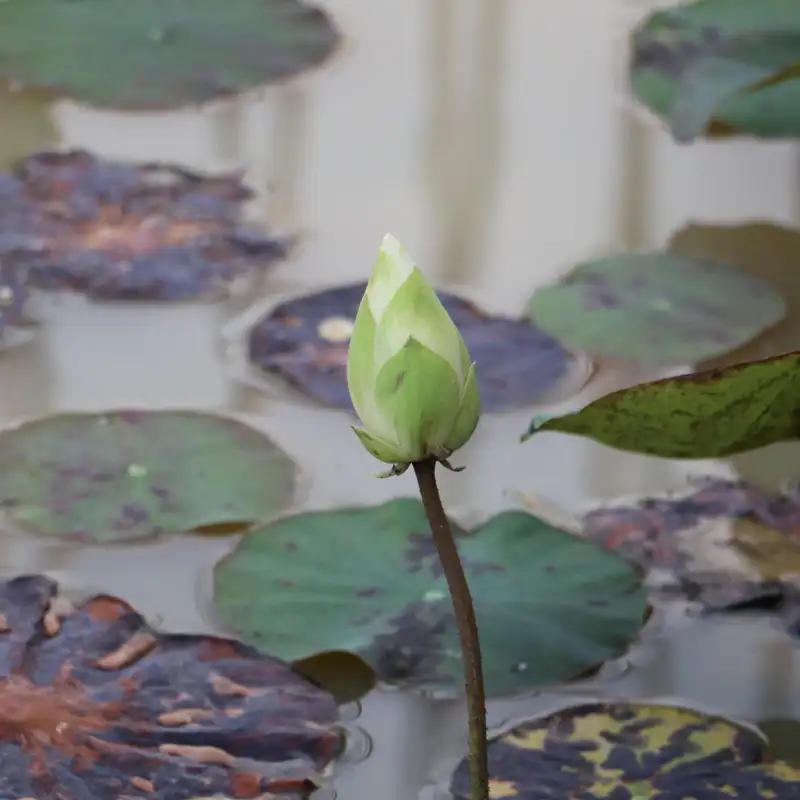
The Lotus and the Muddy Water: Buddhist Ethics as Natural Joy
This teaching reframes discipline not as restriction but as a return to simplicity and delight. In this episode, Lama Yeshe unpacks the second of the six paramitas, exploring how ethics in Buddhist practice is less about rigid rules and more about natural, harmonious conduct. The idea is worth sitting with: discipline is a homecoming, a return to what already exists within us.
Through vivid examples, including Trungpa Rinpoche's teaching on mindfully making tea for a friend, the Lama shows how everyday actions become expressions of ethical, disciplined living.
What does it actually mean to act from basic goodness rather than manufacture it? Lama Yeshe draws on the Shaker hymn "Tis a Gift to Be Simple" and the image of a lotus rooted in muddy water yet blooming upward, to illuminate how genuine ethics emerges from recognizing the kindness already within us, and not from guilt or self-criticism. Tonglen practice and breath-focused meditation are offered as concrete tools for this path.
Because discipline shapes character through balance and humor, this conversation feels both grounded and genuinely encouraging. Come listen and let these teachings land somewhere new.
Key Takeaways:
• **Discipline isn't about rigid rules—it's mindful attention to ordinary acts** like making tea, revealing that ethical conduct emerges naturally from awareness rather than imposed restrictions.
• **The heart's capacity to give is literally unlimited**, symbolized by Tara's vase of generosity, suggesting that constraints on our generosity are mental constructs rather than actual limitations.
• **Virtue already exists within us and only needs to be revealed**, not manufactured—meaning authentic ethical action comes from recognizing our inherent goodness rather than striving to become virtuous.